Our School and Environment
Set within 26 acres of grounds, Lymm High School benefits from a unique environment that includes sports fields, grass pitches, an orchard, a wildflower area and an allotment. As our site combines a historic Grade II listed building, modern teaching facilities and a swimming pool, there are both opportunities and challenges to manage energy and sustainability.
According to our Sustainability Internal Scrutiny Review 2025–26, Lymm High School is performing above average in the area of sustainability, with key practices in place that are operating effectively. We are proud of our strong commitment to environmental responsibility; and sustainability is embedded in our day-to-day operations, our curriculum, and the wider life of the school. We are continually working to reduce our environmental impact while creating meaningful learning opportunities for our students.
Our Commitment to Sustainability
We actively monitor our energy use and carbon emissions via a KPI dashboard and produce an annual Streamlined Energy and Carbon Report (SECR). We are committed to improving efficiency across the site and have already taken significant steps to reduce our environmental impact, including:
- Installing energy-efficient double glazing across most of the modern buildings and the listed Oughtrington Hall.
- Installing blinds to improve natural shading.
- Converting around 85% of lighting to LED.
- Improving insulation throughout the school.
- Upgrading heating and ventilation systems for better efficiency.
- Installing a new cover on the swimming pool to reduce energy loss.
- Implementing a policy of buying locally for the school canteen and serving areas.
- We have set an ambitious target to achieve net zero carbon emissions by 2035, and we are actively exploring further improvements such as renewable energy and low-carbon heating.
Biodiversity and Our Grounds
We are fortunate to have extensive green space, which we actively use to support biodiversity. The school employs a groundsman to maintain the grounds, ensuring they remain well-kept, healthy and in good condition. We also undertake an annual tree survey to monitor the health of our long-established trees, some of which are over 400 years old.
Current and planned initiatives include:
- Planting hundreds of new trees across the site. In 2024, 110 trees were planted to create our orchard. These are already bearing fruit, and include cherry, damson, apple, pear and plum. In Spring 2026, we will be planting 418 young trees courtesy of the Woodland Trust. This includes 90 Hazels, 45 Rowans, 60 Blackthorns, 73 Crab Apples, 75 Elders and 75 Dog roses.
- Additional habitat creation through new planting, bird boxes, bug hotels and bog gardens or ponds.
- Maintaining wildflower areas and supporting pollinators.
- Participating in ‘No Mow May’ to leave areas of the grass uncut thereby encouraging natural habitats. We will monitor the effects, and if a success, may look to extending the campaign into the summer.
Our Eco Group
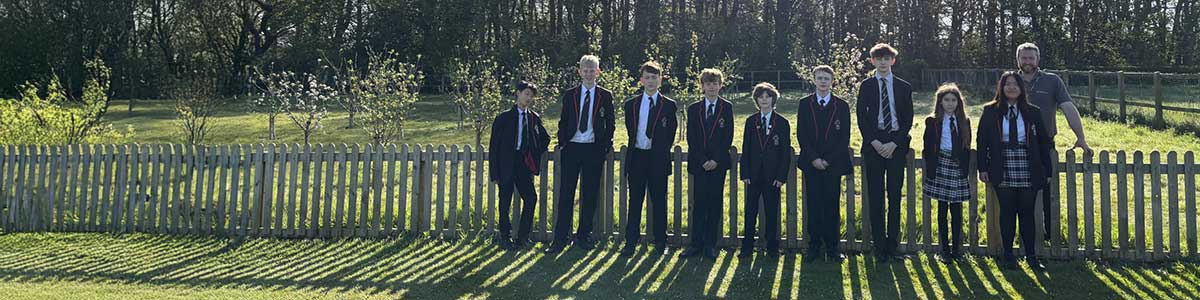
We have an active Eco Group, made up of staff and students, who play a key role in driving sustainability across the school. Their enthusiasm and creativity have helped us achieve and maintain National Eco-School status for 4 consecutive years.
The group leads a wide range of initiatives, including:
- Biodiversity projects such as installing bug hotels and setting up bird feeding stations.
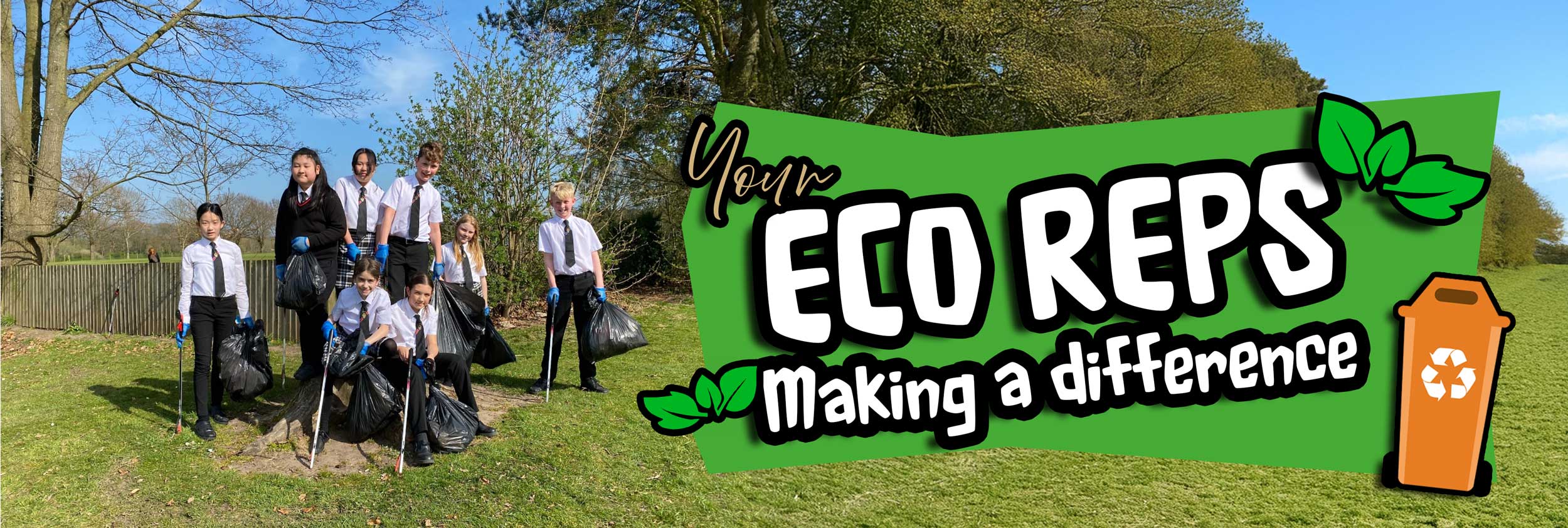
- Litter picks and recycling campaigns.
- Raising awareness through assemblies, newsletters and wall displays.
Students are also given opportunities to present their ideas to school leaders and governors, helping them develop valuable communication and leadership skills.
Learning for a Sustainable Future
Sustainability is increasingly integrated into our curriculum. Subjects such as Geography, Science, Food Technology and Business Studies all contribute to students’ understanding of environmental issues.
We also provide hands-on learning opportunities through:
- The school allotment.
- Environmental projects across the site.
- Collaboration with local organisations and experts, such as the Woodland Trust and Warrington Borough Council’s Ranger team.
These experiences help prepare our students for future careers in a rapidly changing, environmentally conscious world.
Looking Ahead
While we are proud of our progress, we are committed to going further. Our next steps include:
- Developing a dedicated Climate Action Plan.
- Expanding renewable energy options, such as solar power.
- Continuing to improve energy efficiency across the school. A Condition Improvement Fund (CIF) application is in place for the replacement of gas boilers with ground source heat pumps.
- Investigating the use of sensor taps in bathrooms to prevent excess water loss.
- Increasing opportunities for student involvement in sustainability decisions.
- Promoting ‘green travel’ for both staff and students.
We are also working towards appointing a Sustainability Lead to help guide and strengthen our long-term strategy.
We will continue to share updates on our sustainability journey through our website and newsletters. If you would like to get involved or learn more, please contact the school.